Natural Stone in Coronado, CA.
Natural Stone for Coronado homes, done by insured San Diego County tile setters. Natural stone tile in a San Diego home requires more prep and more attention than ceramic or porcelain, and the margin for error is smaller once expensive material is on the floor. We connect homeowners with insured local tile setters who know how to handle travertine, marble, slate, limestone, and quartzite: the right mortar bed, the right sealer, and the right technique for each stone type..
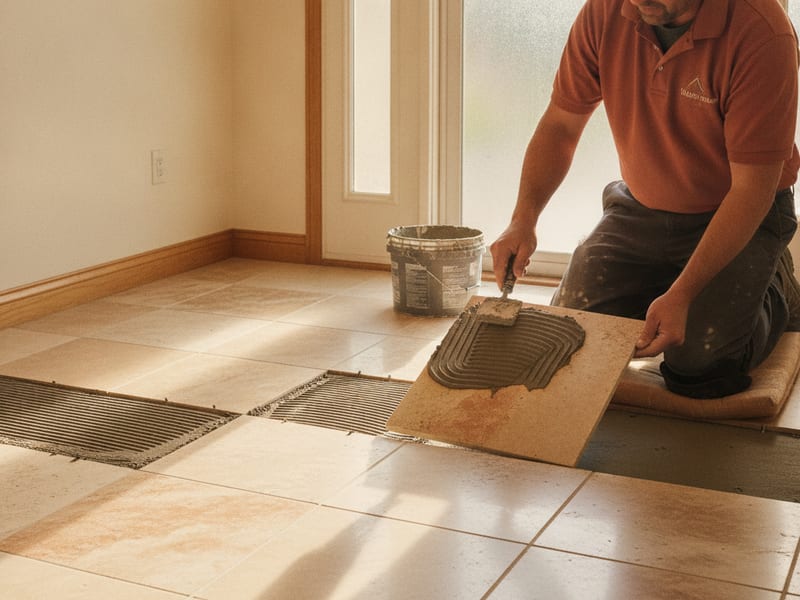
Why is natural stone different in Coastal San Diego?
Natural stone tile in coastal San Diego homes in La Jolla, Del Mar, and Encinitas is popular in bathrooms, entryways, and outdoor patios, but the coastal humidity and salt air require more frequent sealing than inland stone installations to prevent moisture absorption and surface degradation. Travertine is particularly common in North Coastal homes with a Mediterranean design aesthetic, and a properly sealed travertine floor in a coastal bathroom will last for decades with routine resealing every two to three years. White marble in coastal bathrooms requires the most maintenance of any natural stone in this environment and should be sealed immediately after installation.
What's included in natural stone in Coronado?
- Assess the slab or subfloor for flatness and install crack-isolation membrane before setting any natural stone, which is less forgiving of slab movement than ceramic
- Set travertine, marble, slate, limestone, and quartzite with the appropriate white or gray mortar that will not telegraph through translucent stone like marble
- Fill travertine voids with grout or matching filler for a consistent surface, or leave them open if that is the intended finish
- Apply stone-specific sealer on all natural stone after grout cures to reduce staining and moisture absorption
- Grout stone tile with sanded or unsanded cement grout in the color that complements the stone pattern
- Caulk movement joints at corners, walls, and transitions to accommodate the natural movement of stone on a slab
When does a Coronado home need natural stone?
- You are installing travertine, marble, slate, or another natural stone and want a setter who handles these materials regularly
- Existing natural stone tile in your San Diego home is cracking, coming loose, or showing efflorescence that indicates a moisture issue under the stone
- You are renovating a bathroom with marble or travertine and need the old stone removed and new stone set with proper waterproofing
- Your existing stone tile has never been sealed and the surface is absorbing staining from everyday use
- You want stone tile on an outdoor patio and need a setter who understands exterior-rated mortar and the sealing requirements for outdoor stone
What do Coronado homeowners ask about natural stone?
How fast can you get to Coronado for natural stone?
Most Coronado estimates get scheduled the same week, often within a day or two. You get a firm appointment window and a written quote before any work starts.
What does natural stone cost in Coronado?
$14-$28 per square foot installed, depending on stone type, material cost, and subfloor prep; marble and imported stone run higher. Pricing is the same across San Diego County, with no mileage upcharge for Coronado. We confirm a flat-rate quote before any work starts.
How does Coronado's climate affect this service?
Coastal bay climate, mild year-round (60-75°F), persistent marine layer and salt air. Natural stone tile in coastal San Diego homes in La Jolla, Del Mar, and Encinitas is popular in bathrooms, entryways, and outdoor patios, but the coastal humidity and salt air require more frequent sealing than inland stone installations to prevent moisture absorption and surface degradation.
Why does natural stone tile cost more to install than ceramic?
Natural stone requires a crack-isolation membrane in most installations because stone is brittle and will crack if the slab underneath moves slightly. White mortar is necessary for translucent stones like marble to avoid telegraphing through the face. Sealer application adds a step after grout cures. And the stone itself is more expensive per square foot than ceramic or porcelain. The setter also works more carefully because replacing a damaged stone tile is harder than replacing a manufactured one.
Does natural stone need to be sealed?
Yes. All natural stone tile installed in a San Diego home should be sealed after grout cures. Stone is porous and will absorb staining from cooking grease, soap scum, and moisture without a sealer. Marble and limestone are particularly sensitive. Your tile setter applies a penetrating sealer after installation and can advise on resealing frequency based on the stone type and where it is installed.
Need natural stone in Coronado?
Call for a free quote. Flat-rate pricing from an insured local tile setter.