Tile installation planning resources
Practical guides to plan a tile project before you ever take a quote, written for San Diego homes and the tile choices that come up most.
Tile installation planning guides
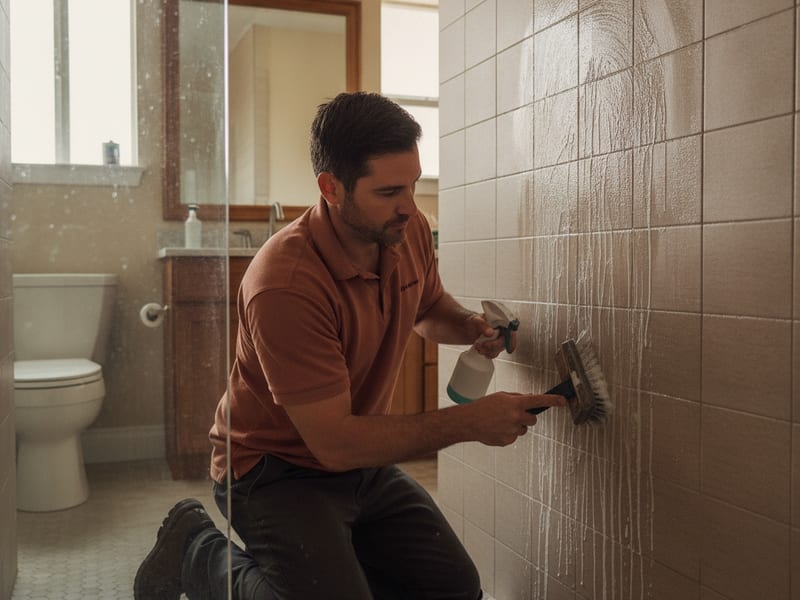
How to clean grout lines on tile floors and walls
Grout absorbs staining agents over time. The right cleaner and technique restore color without damaging the grout or the tile surface.
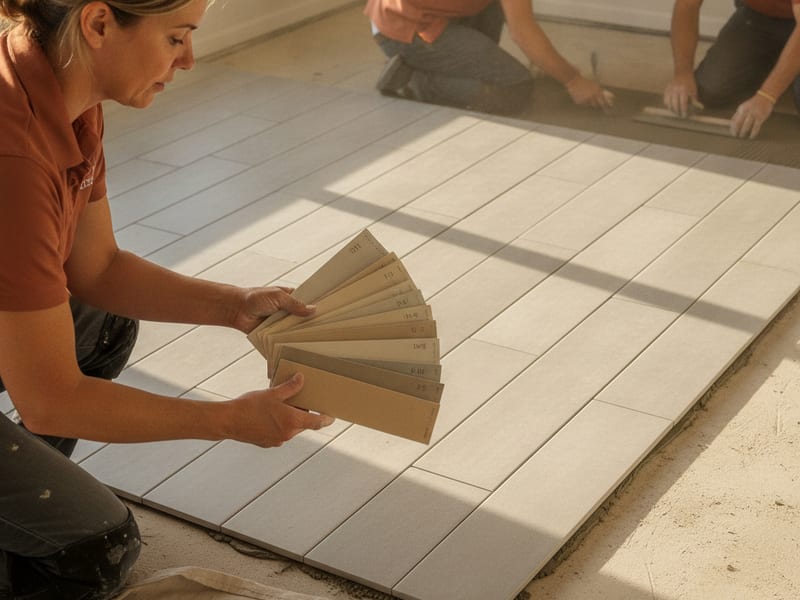
How to seal tile grout in a bathroom or kitchen
Sealing grout is a 30-minute task that prevents years of staining. Most cement-based grout in San Diego homes needs resealing every one to three years depending on use.
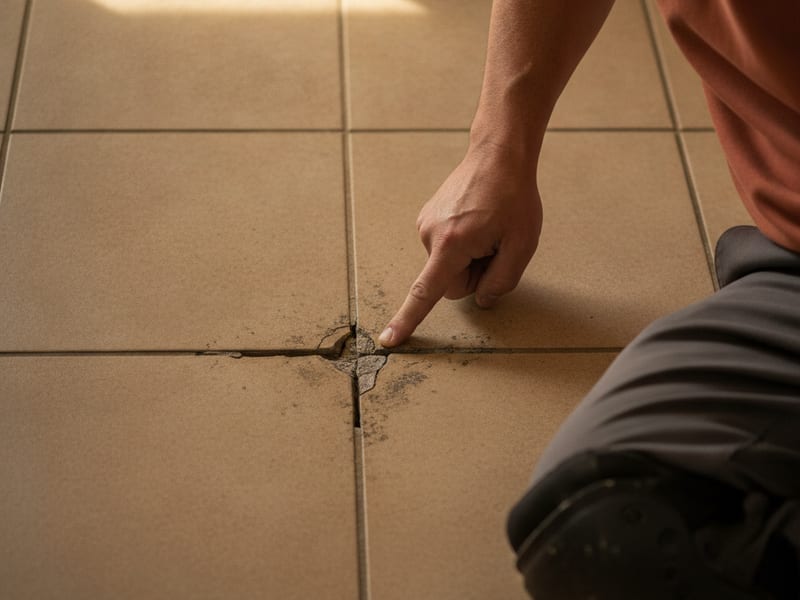
How to replace a cracked or chipped floor tile
A single cracked tile on a floor or wall can be replaced without disturbing the surrounding tile if the break is clean and you have a matching spare. Here is how to do it without cracking the neighbors.
How to check if your shower tile is properly waterproofed
Water getting behind shower tile is the most common cause of concealed damage in San Diego homes. These checks let a homeowner spot early warning signs before a repair becomes a full shower rebuild.
When should you stop and call a professional?
Six signs that a tile problem is past DIY. Ignoring these turns a cheap grout or single-tile fix into a full tear-out, so pick up the phone before the damage spreads.
- Hollow-sounding tile spreading across a floor or shower wall
Widespread delamination means the bond or substrate has failed. Spot fixes will not hold, and the area needs professional assessment before more tiles pop loose.
- Cracks that run through multiple tiles in a straight line
A continuous crack line usually means the slab or subfloor is moving underneath. New tile over an unaddressed crack will crack again without a crack isolation membrane.
- Soft, spongy, or stained flooring around a tiled shower
Water has likely been getting past the waterproofing for a while. The wet cavity has to be opened, dried, and rebuilt before any new tile goes in.
- Grout that crumbles back out within weeks of regrouting
Repeated grout failure points to movement or moisture in the assembly, not bad grout. Regrouting again wastes money until the underlying cause is fixed.
- A floor that visibly slopes, bounces, or flexes underfoot
Tile is rigid and unforgiving. Setting it over a floor that flexes guarantees cracked tile and grout, so the structure needs correcting first.
- Mold or a musty smell that keeps coming back in a tiled area
Persistent mold behind or around tile means trapped moisture in the wall or pan. Surface cleaning cannot reach it, and the assembly needs to be opened up.
Further reading
CSLB Check a License
Verify any California tile contractor license (C-54) and bond status before you sign a contract.
Tile Council of North AmericaTCNA Consumer Tile Resources
Industry standards body guidance on tile selection, installation methods, and what a correct installation includes.
National Tile Contractors AssociationNTCA Homeowner Resources
Consumer education from the National Tile Contractors Association on hiring qualified tile installers.
Ready to get a free tile installation estimate
If the guide raised more questions than it answered, call us. One insured local tile setter, one clear written quote.